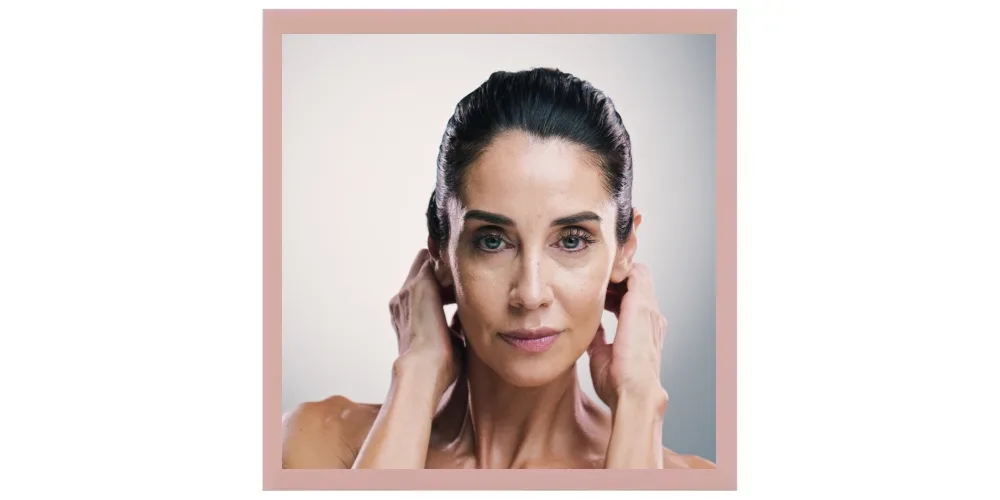
The author of the article
Ruzanna, 17 Years of Experience
January 6, 2026
Biological aging in the perioral region is characterized by a significant decrease in dermal density and the gradual fading of the natural vermilion border. For women over the age of fifty, these changes often result in a loss of facial symmetry and a muted appearance of the lips. Permanent makeup for mature lips serves as a specialized method to reconstruct these features through the precise implantation of pigments. These protocols are based on 18 years of aesthetic practice and a history of over 11,150 clients.
| Technical Section | Educational Objective |
|---|---|
 Aging Physiology Aging Physiology |
Analyzing why the vermilion border blurs and pigment fades after 50 |
| Corrective Methods |
A table matching aging symptoms with specific tattoo solutions |
| Comparison Analysis |
How permanent makeup compares to dermal fillers for structural restoration |
| Dermal Management |
Managing thin, sensitive dermis and vascular fragility in mature clients |
The Biological Impact of Aging on Lip Structure
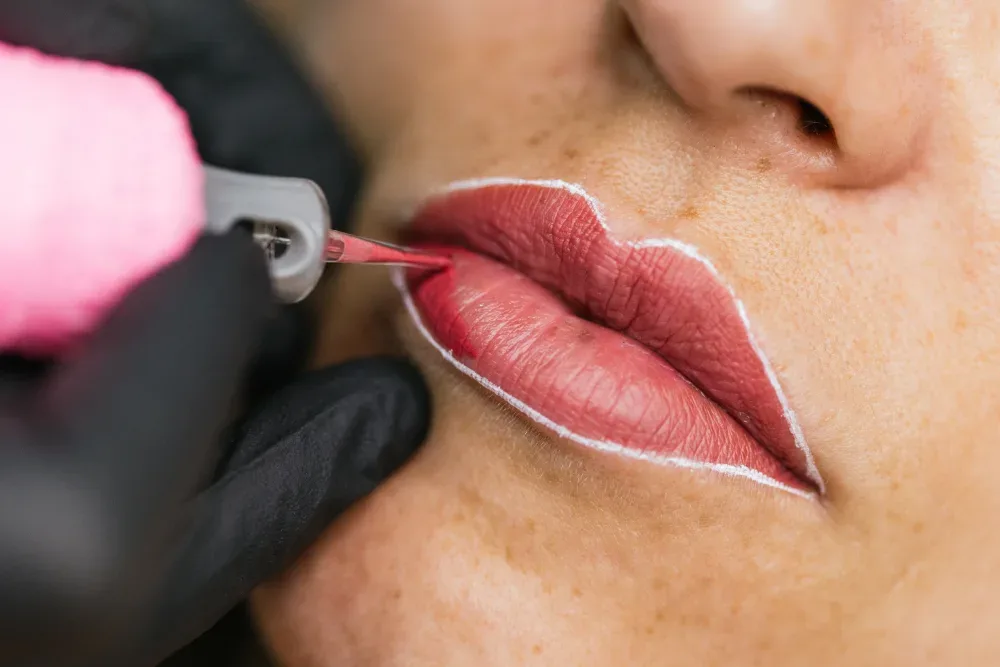
The aging process fundamentally alters the three–dimensional structure of the mouth. Permanent makeup for mature lips must account for these internal changes to achieve a result that appears anatomically correct.
Natural Pigment Depletion and Vascular Changes.
Reduced blood flow to the mucosal tissues causes mature lips to lose their youthful pink hue, which often results in a pale or slightly purple undertone.
Degradation of the Vermilion Border.
The crisp boundary between the lip tissue and the skin of the face, known as the vermilion border, gradually blurs as connective tissue breaks down.
Development of Perioral Lines and Tissue Thinning.
The loss of dermal thickness leads to the formation of vertical lines, frequently called smoker lines, which can cause traditional makeup to smudge or bleed. Lip blushing for mature lips provides a stable color foundation that visually smooths these areas.
| Aging Symptom | Biological Cause | Permanent Makeup Solution |
|---|---|---|
| Tissue Paleness | Decreased capillary circulation | Infusion of warm pigments to counteract dullness |
| Blurred Borders | Collagen and elastin depletion | Precision reconstruction of the anatomical vermilion line |
| Thinning Appearance | Loss of subcutaneous fat layers | Watercolor shading to create the illusion of fullness |
| Lipstick Bleeding | Structural vertical fine lines | Creation of a definitive color barrier to prevent smudging |

Ruzanna
17 years of experience
Expert Insight – Licensed Esthetician
Professional protocols for mature skin require adherence to the standards of the European & US Association of Esthetician. With 18 years of experience in the industry, the focus remains on using organic, stable pigments and advanced hygiene protocols to ensure safety and long–term color stability. For a technical assessment of lip structure, a professional consultation is recommended.
Technical Execution of Lip Blushing for Mature Lips
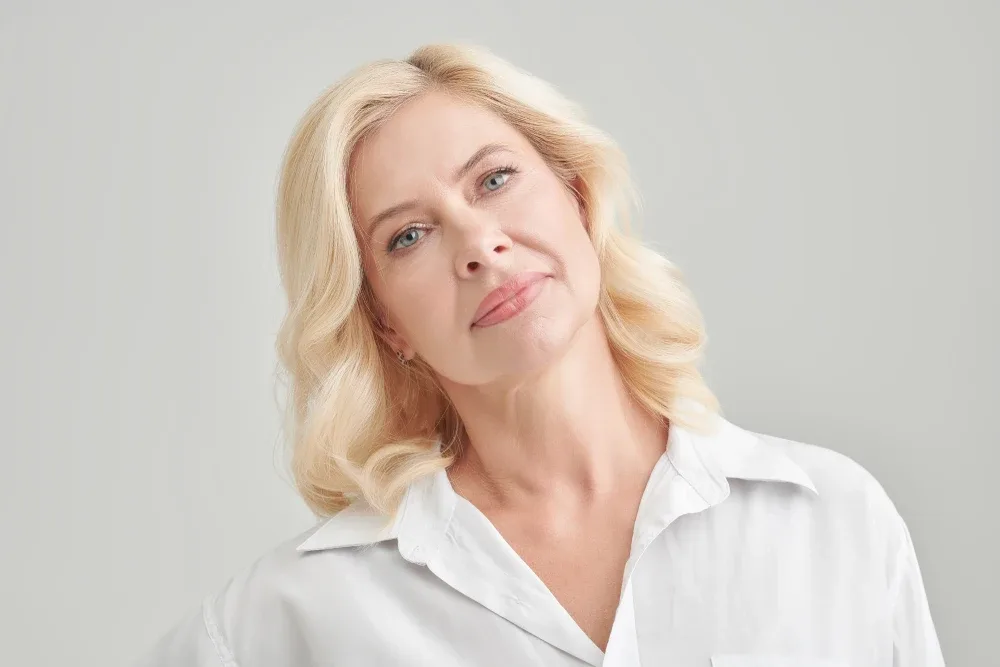
Achieving a natural result for clients over fifty requires a shift in technique. Standard permanent makeup methods can be too aggressive for mature tissue, necessitating a more refined, layered approach.
Watercolor Shading.
This method avoids harsh outlines and instead uses soft pixelation to build color gradually for a translucent finish.
Color Neutralization.
Artists use specific warm–toned pigments to cancel out the cool, blue–ish undertones that often develop in mature lips.
Surface–Level Application.
Pigment is implanted into the upper dermis to avoid trauma to the fragile vascular network of aging skin.
Anatomical Alignment.
The procedure focuses on restoring the original shape of the lips rather than attempting to significantly alter natural proportions.
| Comparison Metric | Permanent Makeup for Mature Lips | Injectable Dermal Fillers |
|---|---|---|
| Primary Goal | Restoring color, definition, and border clarity | Adding physical volume and filling deep folds |
| Effect on Color | Directly eliminates paleness and cold undertones | No impact on the natural color of the lip tissue |
| Border Restoration | Reconstructs the blurred vermilion line with precision | Can occasionally cause further blurring of the border |
| Longevity | Results typically last 2 years or longer | Results generally fade within 6 to 9 months |
| Invasiveness | Minimally invasive surface pigmentation | Injectable procedure involving deep tissue fillers |

Val
7 years of experience
Expert Insight – Licensed Top Permanent Makeup Artist
Specializing in permanent makeup for 7 years involves a deep understanding of facial geometry and the specific needs of mature skin. Utilizing advanced shading techniques can restore natural lip color with results designed to remain stable for at least two years. A professional session focuses on the precise restoration of long–term lip definition.
Managing Sensitive and Thinning Dermis

Mature skin is frequently characterized by increased dryness and a thinner epidermal barrier. This requires a heightened focus on skin health and post–procedure recovery protocols.
Hydration Preparation.
Deeply hydrating the lips for several days before the procedure improves pigment retention.
Vascular Awareness.
Careful needle depth management is required to prevent bruising in skin with fragile capillaries.
Sterilization Standards.
Strict hygiene protocols are necessary to protect the slower–healing skin of older adults.
Gradual Refinement.
A two–step process is often recommended to allow the tissue to recover fully between sessions.
Aliz
11 years of experience
Expert Insight from Aliz – Licensed Esthetician
Managing complex skin types, particularly those that are dry or highly sensitive, is a critical component of successful aesthetic work. Preparing the skin for permanent makeup involves ensuring a healthy foundation for rejuvenation. A professional review of the specific needs of each skin type is essential before scheduling a procedure.
Technical Summary of Mature Lip Restoration
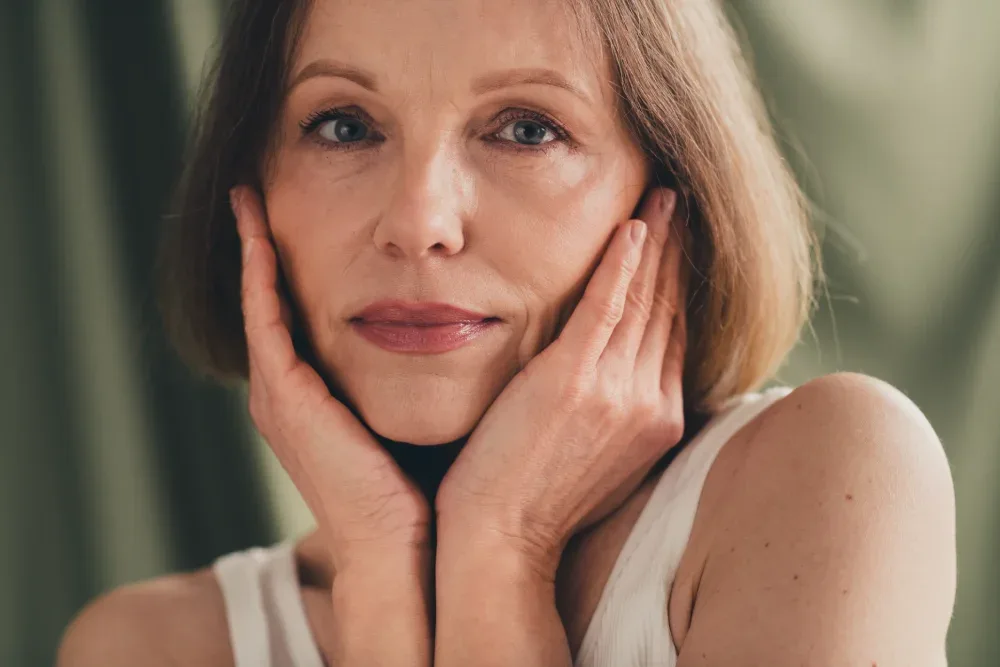
Addressing the visible signs of aging in the lower third of the face requires an expert understanding of both color theory and dermal biology. Permanent makeup for mature lips offers a sophisticated solution for those seeking to regain the clarity and vibrancy of their youth without the risks associated with more invasive surgeries. By focusing on the restoration of the vermilion border and the neutralization of cool undertones, specialists can achieve a refreshed appearance that remains elegant for years.
Anatomical Definition.
Regaining the structural clarity that defines a youthful smile.
Experience–Driven Results.
Procedures are based on professional experience.
Safety Protocols.
Utilization of organic, stable pigments and standardized hygiene protocols.

Ruzanna
17 years of experience
Expert Insight from Ruzanna – Licensed Esthetician
Overseeing quality control in aesthetic procedures ensures that the unique needs of mature skin are always respected. The objective of professional restoration is to provide an expert experience based on years of industry leadership. Licensed specialists can provide further guidance based on individual aesthetic goals.
Free Consultation