The author of the article
Ruzanna, 17 Years of Experience
September 11, 2025
Short answer: the surface heals in about a week — swelling lasts 1–2 days, crusts flake off between days 5 and 10, and the final colour only settles after 4–6 weeks. Judging the shade before that is premature. Day-by-day details are below.
Have you just left the studio and caught yourself anxiously checking the mirror? The color may look bright and more noticeable at first because of lip blush swelling, and that can feel worrying. But rest assured—this is a completely normal reaction. Almost every woman who has had a lip blushing procedure goes through the same emotions. What will bring you peace of mind in the weeks ahead isn’t hope, but knowledge.
This article is your detailed roadmap to recovery. We will walk you through the entire lip blushing healing process, explaining each stage of lip tattoo healing in detail and showing you that the seemingly frightening lip blush color disappearing is actually a predictable part of the plan. You’ll also learn how to distinguish what’s normal from potential lip blush infection signs, and understand what it takes to achieve the ideal healed lip blush.
Your guide to perfect results
| Section | What will you learn in this article? |
|---|---|
 Emotional stages Emotional stages |
Why it’s normal to feel anxious, and how to deal with anxiety during recovery. |
| Healing Timeline: Day by Day |
Discover how your lips will look and feel at each stage—from the initial swelling to the final healed color. |
| “Ghost Phase” |
Discover the science behind why lip color temporarily “disappears” and when it will return. |
| Problem solving |
How to tell the difference between normal lip peeling and signs of complications—and what to do in each case. |
The Three Emotional Stages of Lip’s Healing
Recovery after tattooing involves not only physical healing but also emotional adjustment. By understanding these stages, you’ll move through the process with much more ease and peace of mind.
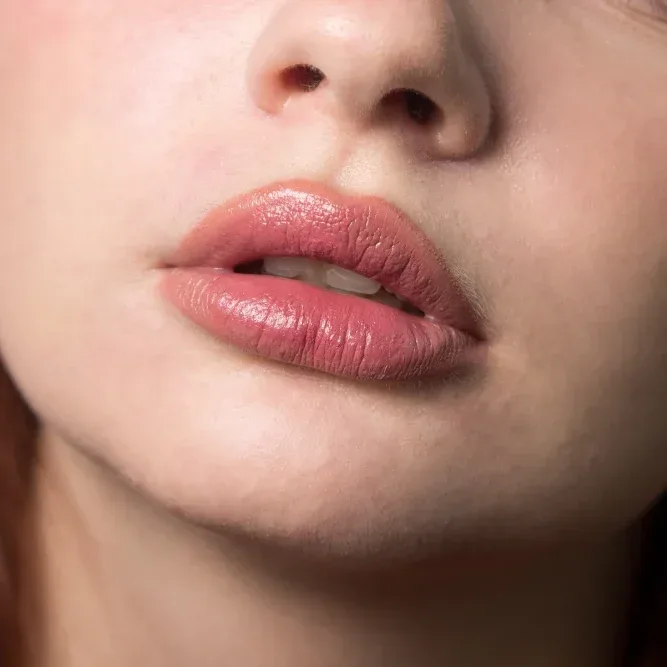
Stage 1 – “Shock and Swelling” (Days 1–3)
This is the stage of peak anxiety. The lips are swollen, and their color appears 40–60% brighter than the final result. It’s common at this point to panic and think, “What have I done?” The most important thing to remember is that this phase is only temporary.
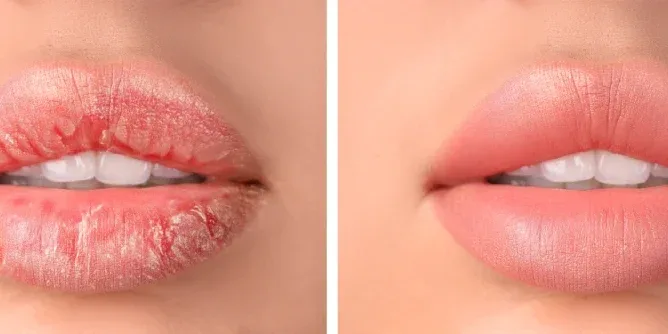
Stage 2 – “Peeling and Disappearing” (Days 4–10)
This stage brings intense lip peeling after the tattoo. Once the lip scabbing process subsides, the “ghost phase” begins—when the color looks far too pale or seems to disappear altogether. This often triggers a second wave of doubt.
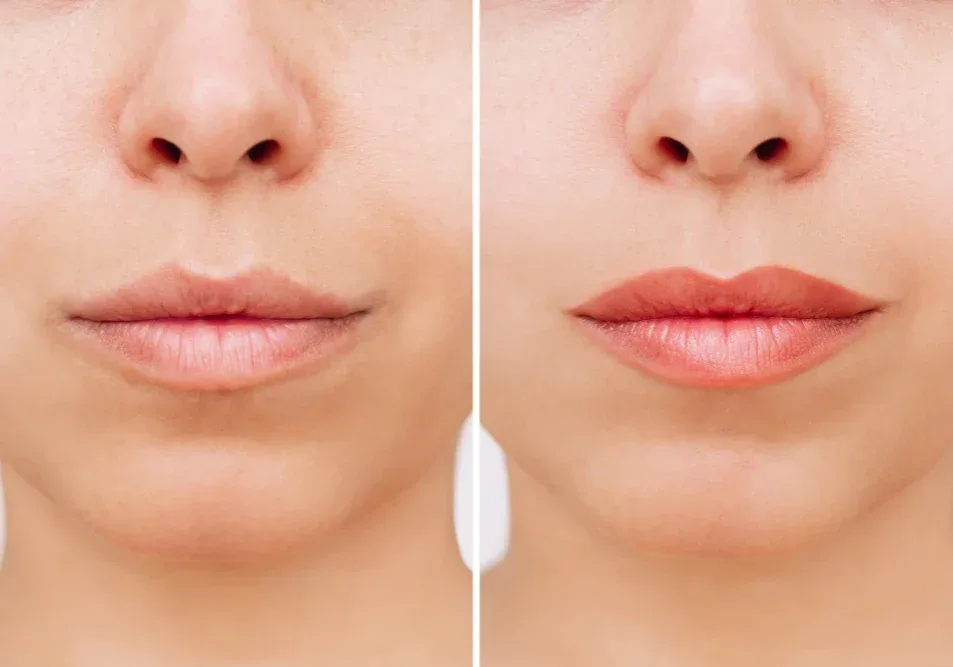
Stage 3 – “Manifestation and Improvement” (Weeks 2–6)
This is the reward stage for your patience. The lip color gradually develops—much like a Polaroid photo. With each passing week, it grows more saturated and settles into a soft, natural shade.

Ruzanna
17 years of experience
Important
Don’t rush to conclusions. The final color and shape of your lips will only stabilize after 4–6 weeks, so any judgments made before then are premature.
Lip Healing Timeline – Day by Day
Let’s take a closer look at what’s happening to your lips on a physical level. Understanding this process is the best way to control the situation.
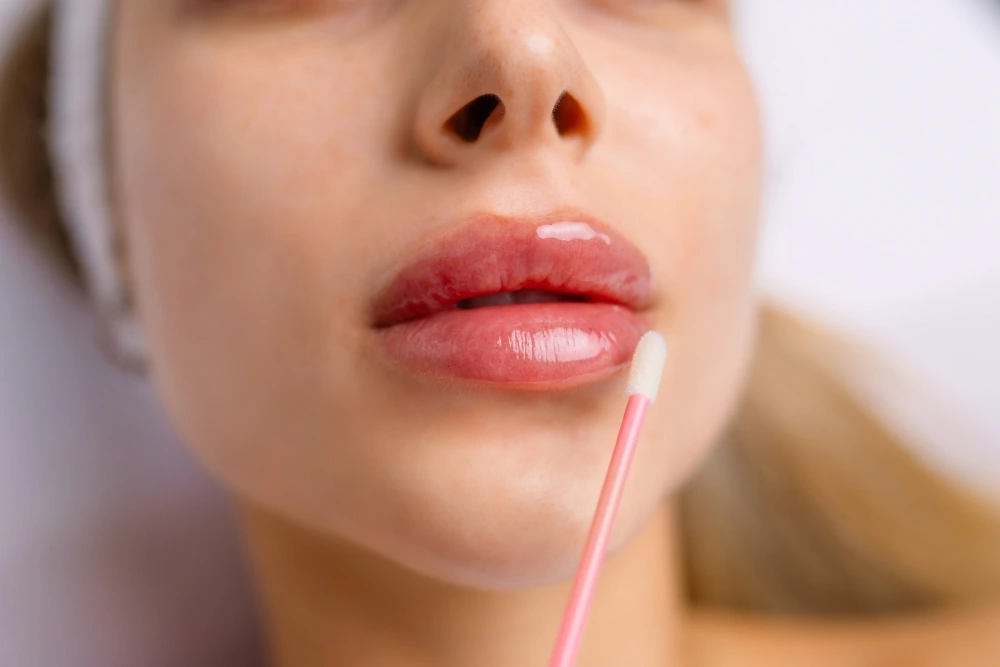
Day 1 – Immediately After the Procedure: Swelling, Sensitivity, and a Bright Lip Color
Because the skin of the lips is injured, the body responds with swelling and lymph secretion—a natural protective reaction. The pigment sits in the uppermost layers of the skin, mixing with the lymph, which makes the color appear especially saturated. Lip swelling after a tattoo on this day is completely normal.
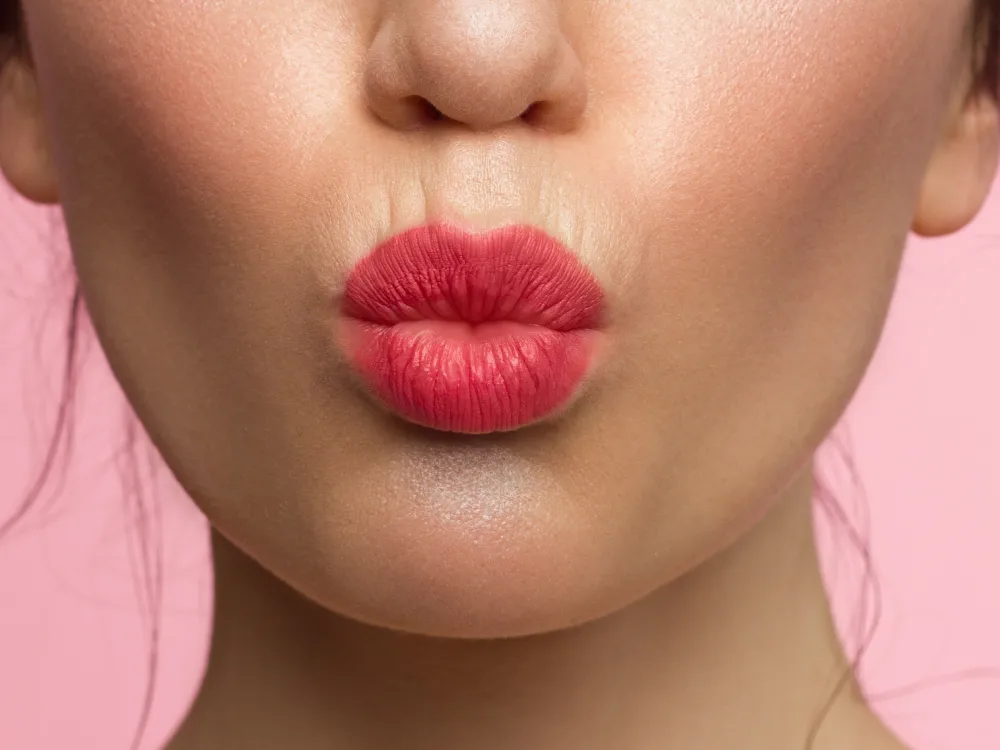
Day 2 – Peak Swelling and a Feeling of Tightness
On the morning of the second day, swelling may be even more pronounced than on the first—and this is completely normal. The lips often feel very dry and tight as the protective crust begins to form.
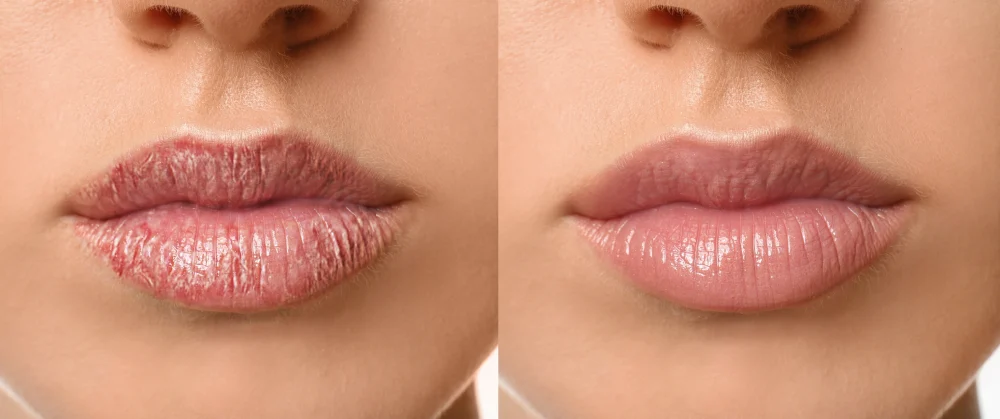
Days 3-5 – Peeling Stage: Expectations and Precautions
This is a key stage—day 3 of lip healing marks the beginning of active peeling. A thin film forms on the surface, known as the secondary crust on tattooed lips. It is strictly not advised to tear off, scratch, or rub any peeling.
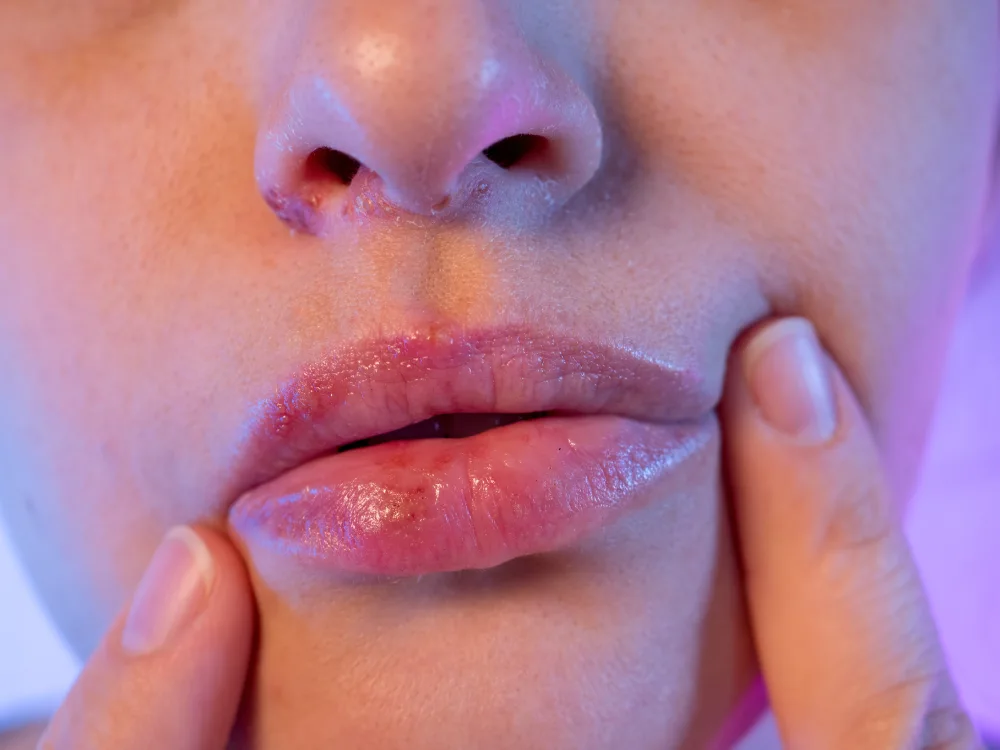
Days 6-10 – The “Ghost Phase”: Why Lip Color Fades (and When It Will Return)
Once the scabs come off, your lips may look very pale—but don’t panic. The pigment is still there, resting beneath a fresh layer of skin that isn’t fully transparent yet, which temporarily “hides” the color.
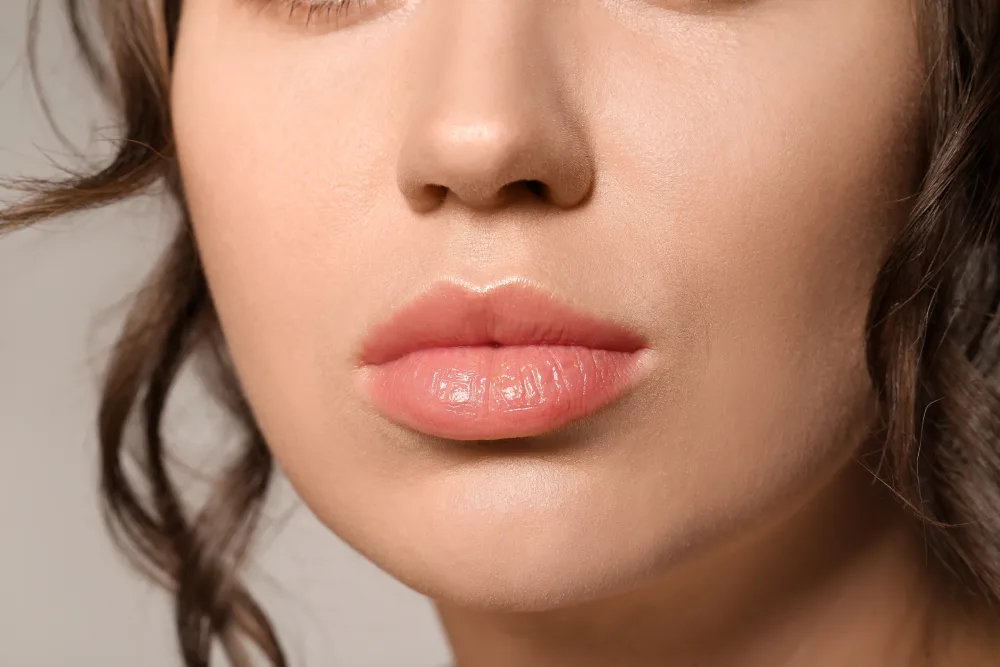
Weeks 2-4 – Color Emergence: When Your True Results Begin to Show
As the epidermis matures, it gradually becomes more transparent, allowing the pigment color to show through—much like watercolor spreading across wet paper. With each passing week, the shade grows warmer, richer, and more expressive.
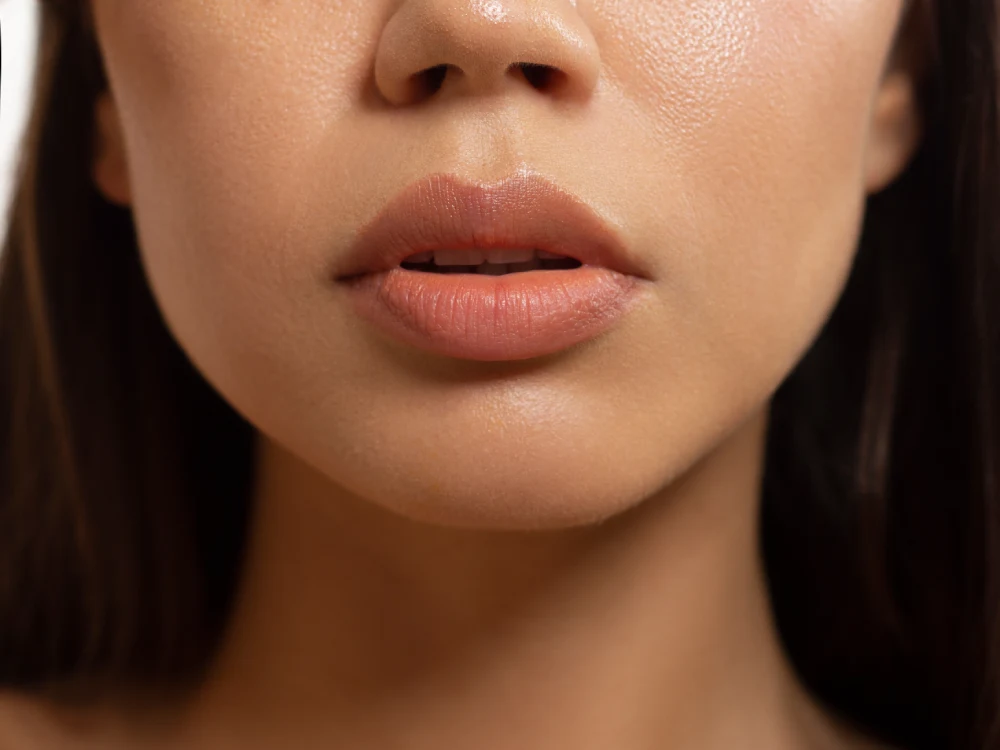
Weeks 4-6 – Fully Healed: Assessing the Final Color and Any Need for Correction
By the end of this period, the lip blushing healing process is complete. You’ll see the final, stabilized color and shape, and can objectively evaluate the result to determine whether a lip blush touch-up is needed to perfect it.

Yelena
7 years of experience
Tip
Keep a photo diary. Take a picture of your lips every morning in the same daylight. This will help you track your lip blush healing day by day and clearly see the positive progress.
A Quick Overview of Lip Healing After Tattooing
For your convenience, we’ve summarized all the stages of lip tattoo healing in a single table.
| Day | Appearance | Expected Sensations | Key Recovery Steps |
|---|---|---|---|
| 1 | Severe swelling, very bright color, oozing | Pain, sensitivity | Gently blot the lymph and apply the ointment |
| 2–3 | The swelling goes down, the color darkens, the tightness | Dryness, tightness | Keep hydrated, avoid hot/spicy foods |
| 4–5 | Active peeling, crust formation | Itching, dryness | DO NOT pick off the scabs, continue to moisturize |
| 6–10 | The crusts have come off, the color is very pale or has disappeared (“ghost phase”) | Lips may appear paler than before the procedure. | Continue to moisturize, protect from the sun |
| 11–28 | The color gradually returns and becomes more saturated. | Normal feelings | Use a balm with SPF |
| 28–42 | The final color and shape have stabilized. | Fully healed | Evaluate the result for possible correction |

Natasha
12 years of experience
Note
Healing time may vary slightly depending on your age, immunity, and skin type—and this is completely normal.
Dry vs. Wet Healing – What Do Experts Recommend?
One of the most common questions is which aftercare method to follow. Let’s clear it up.
What Is Dry Healing, and Why Is It Sometimes Recommended?
The dry healing method relies on minimal use of ointments, allowing the skin to “breathe” and naturally form a dense crust. Supporters believe this approach lowers the risk of pigment erosion. However, in practice, it often results in cracking and discomfort.
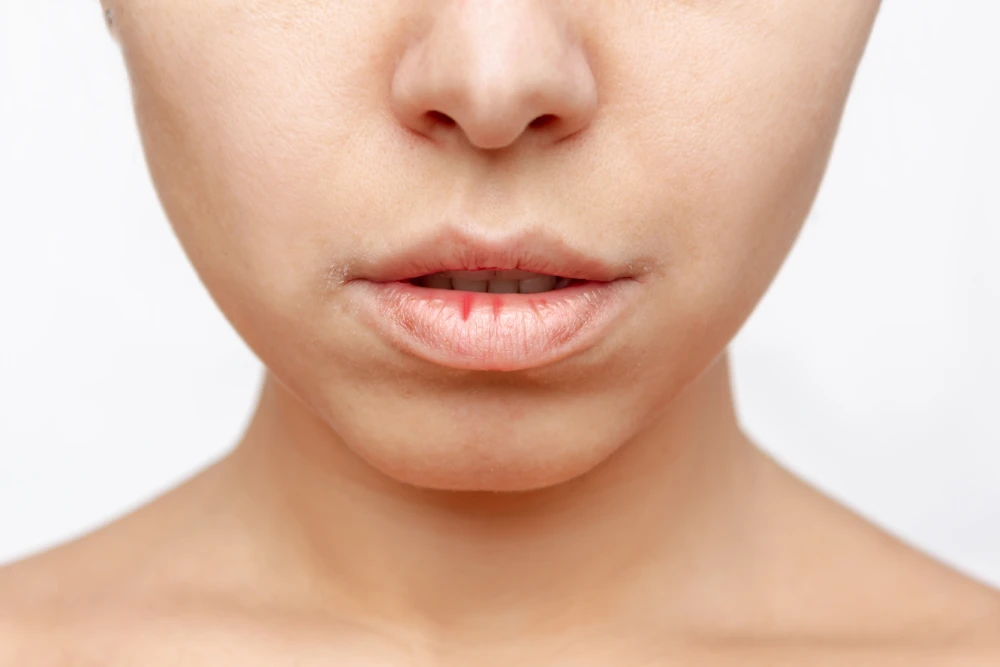
The Case for Wet Healing: Why Dermatologists and Leading Artists Recommend It
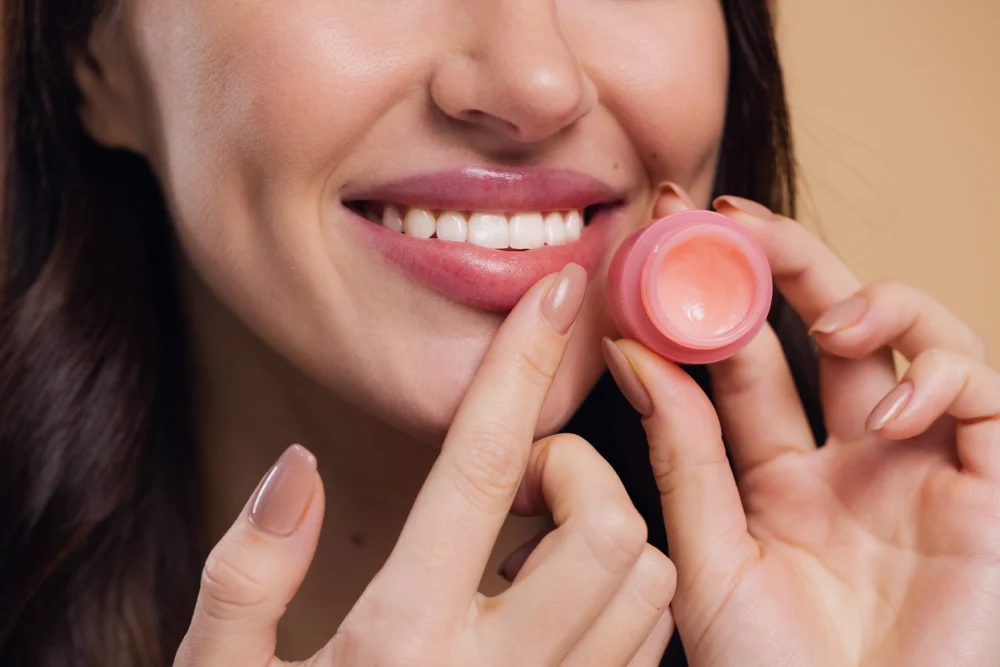
Wet healing, which involves regularly applying a thin layer of specialized ointment, is considered the gold standard. This method keeps the skin supple, prevents the formation of thick crusts, and supports better pigment retention.
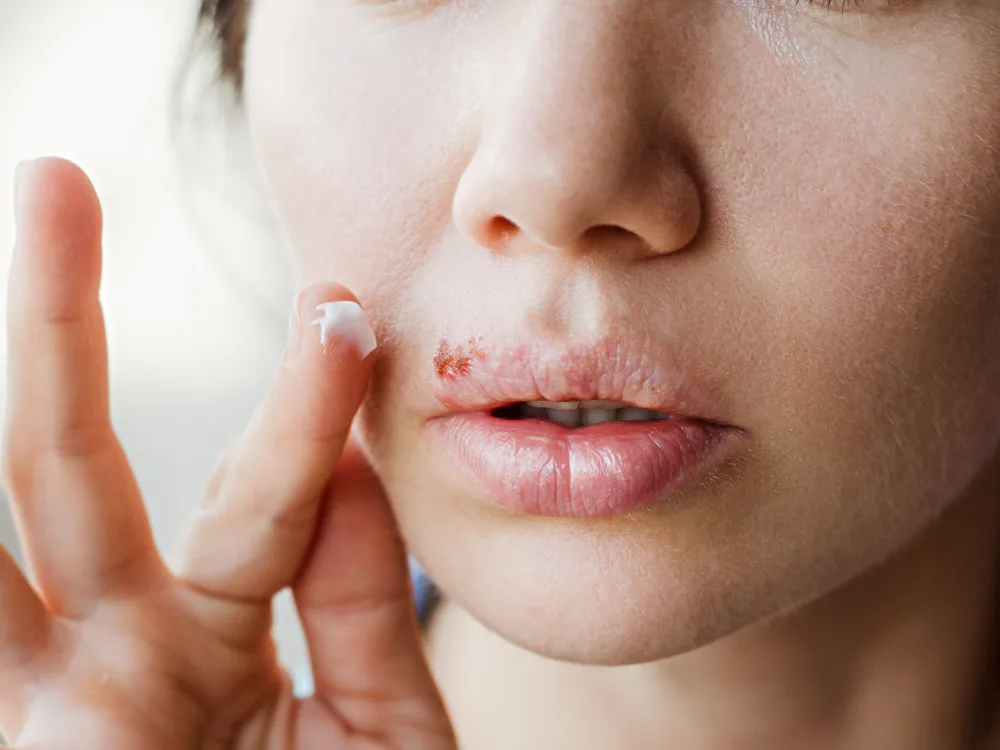
Our Verdict – Why We Support Wet Healing for Better Pigment Retention and Comfort
Our experience shows that controlled moist healing results in a more predictable and uniform healed lip tattoo. It also makes lip blush aftercare both comfortable and effective.

Aliz
11 years of experience
Lifehack
The key to proper wet healing is applying only a very thin layer of ointment. Your lips should have a light sheen—not a heavy, greasy coating.
How to Cope with Pain, Discomfort, and Itching During Healing
Unpleasant sensations are a temporary part of the process.
Is pain normal after the procedure?
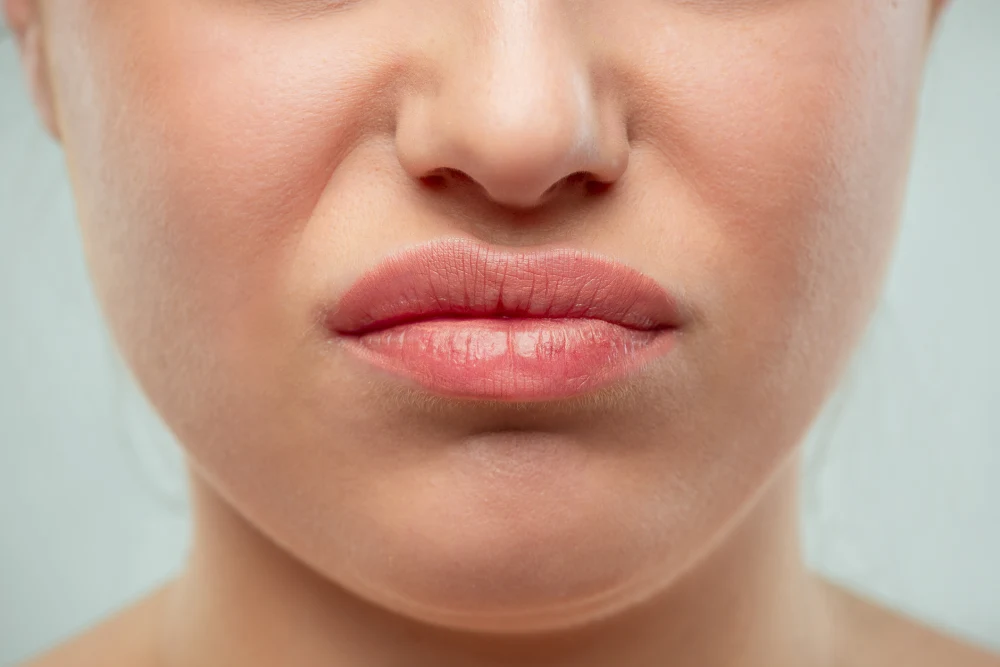
Mild soreness, similar to a sunburn, is normal for the first 24 hours. Sharp, throbbing, or increasing pain may be a warning sign.
Safe Ways to Soothe Itching Without Damaging the Results
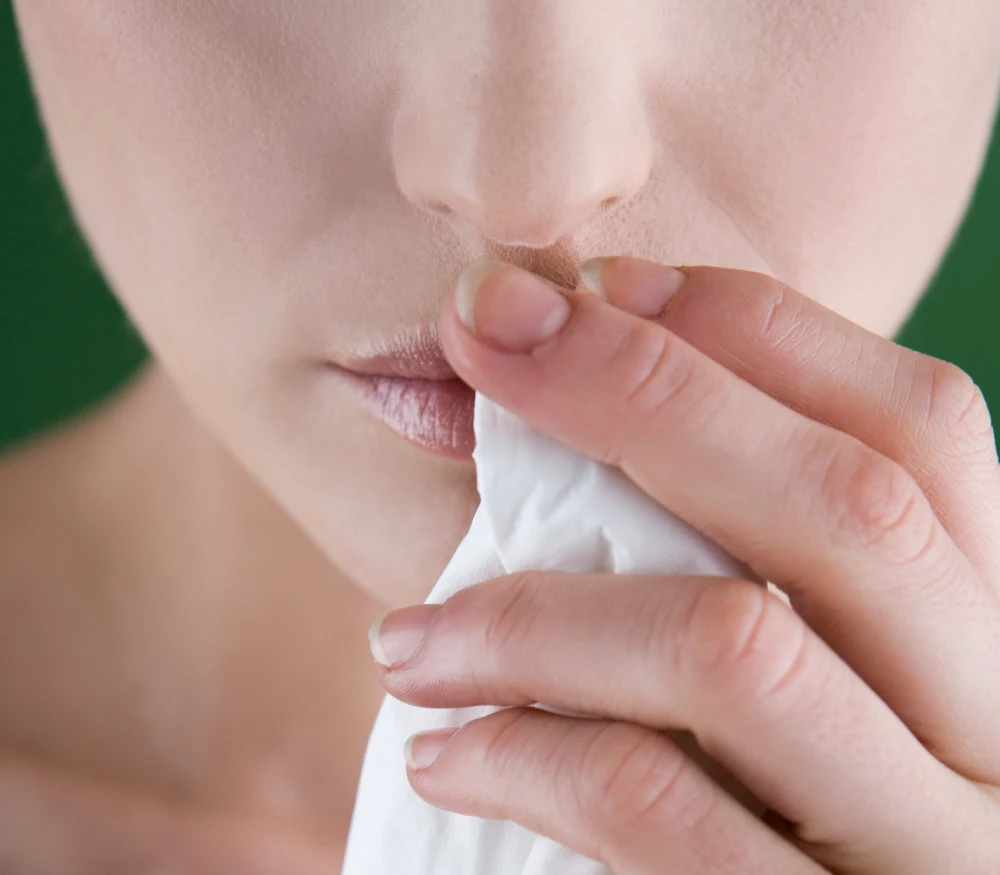
Itching on the 4th/5th day is actually a good sign, it means that the skin is actively healing. To relieve it, you can carefully apply a clean, dry and cold object (for example, a spoon from the refrigerator) to your lips through a napkin.

Ruzanna
17 years of experience
Tip
If you are prone to herpes, consult your doctor about taking antiviral medication before and after the procedure. This is the most effective form of prevention.
How to Recognize Lip Blush Healing Complications
Knowledge is power. Understanding the difference between normal healing and potential problems will spare you unnecessary stress.
Normal Flaking vs. Signs of Infection (Yellow Crusts, Discharge)
Normal lip blush peeling appears as thin, translucent, or pigment-colored flakes. Clear signs of lip blush infection include yellowish or greenish weeping crusts, an unpleasant odor, and purulent discharge.
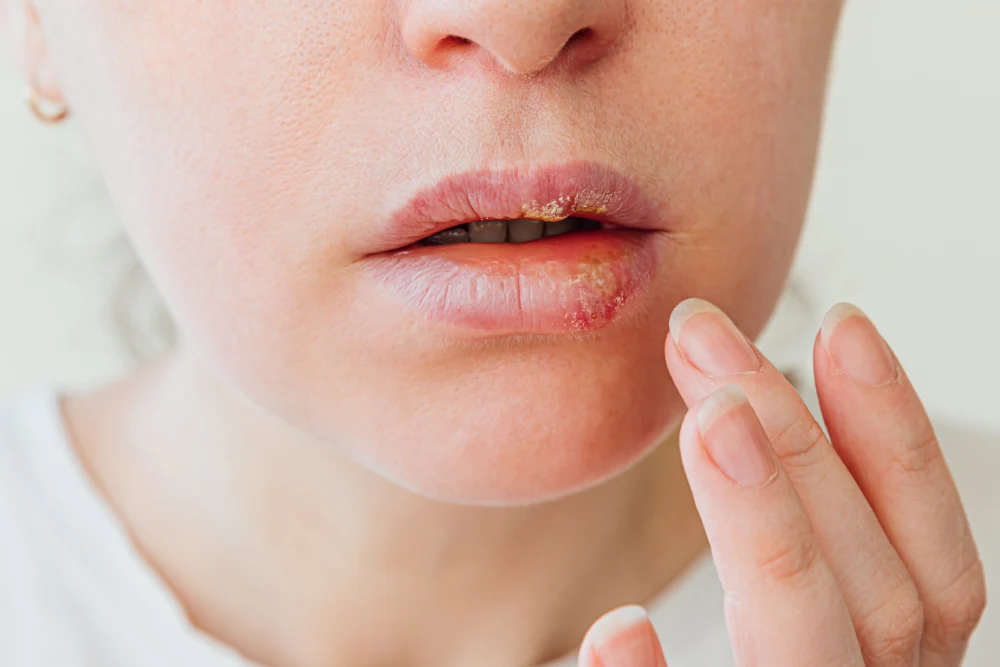
Herpes Outbreak vs. Normal Healing: How to Tell the Difference
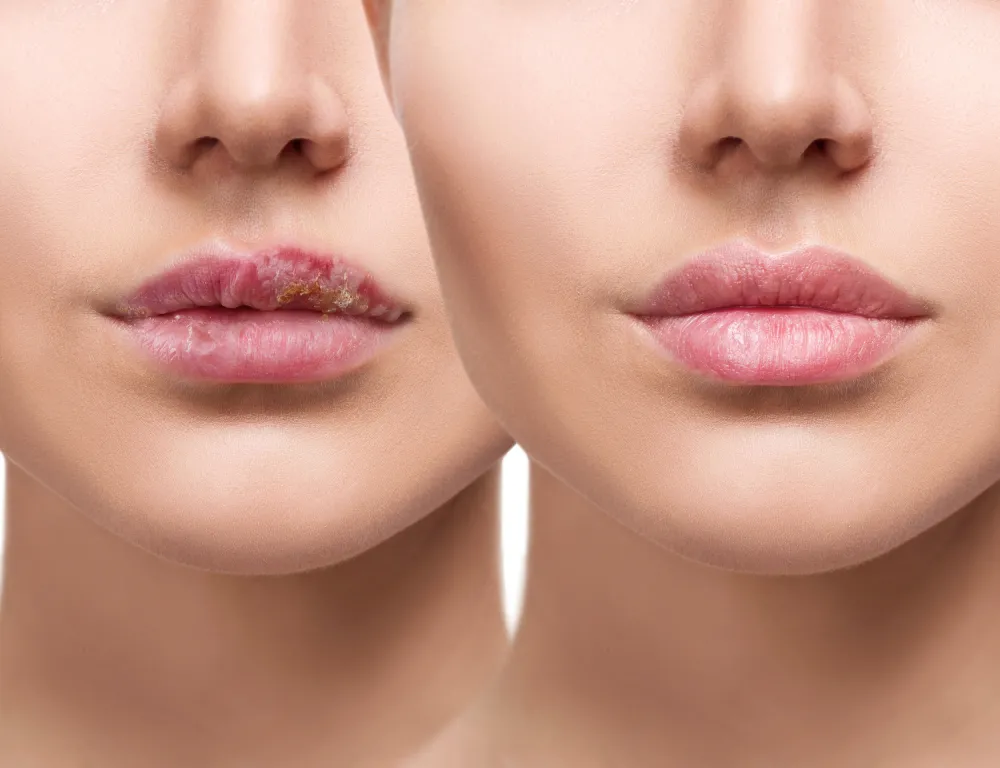
Herpes typically presents as clusters of fluid-filled blisters on reddened skin. In normal healing, these localized blisters do not appear.
When to See a Dermatologist
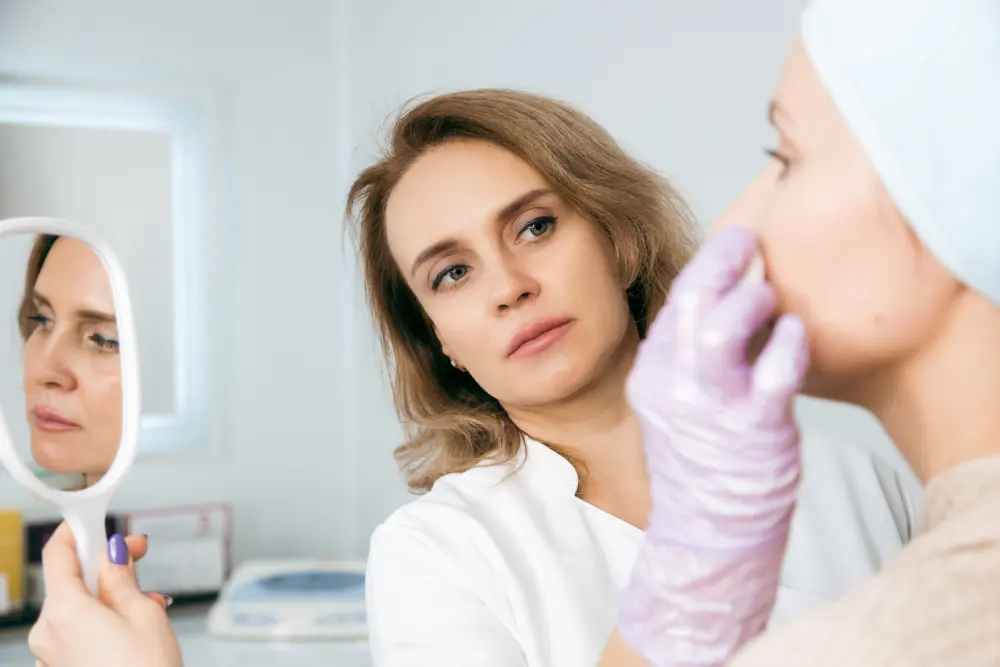
If you have any doubts, first reach out to your artist and send a photo. However, if you notice clear signs of infection, contact a doctor right away.
Healing FAQ: Answers to Your Most Common Questions
How long does swelling last after lip tattooing?
One of the most common concerns about lip blush healing is swelling. Maximum swelling typically lasts 1–2 days. By the end of the third day, it has almost completely subsided for most clients.
What does a healed lip tattoo actually look like?
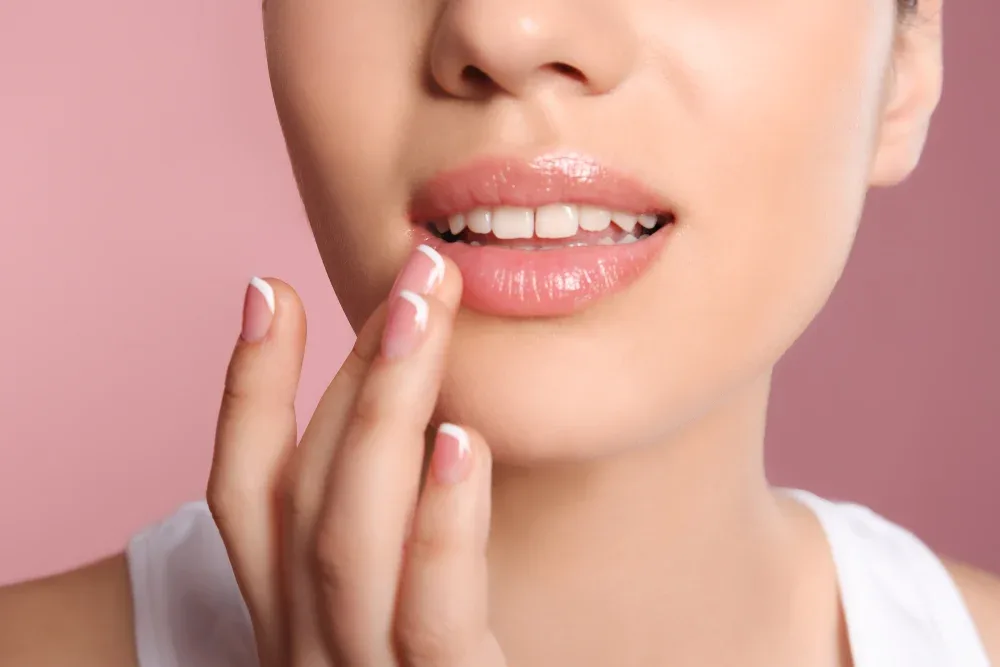
A perfectly healed lip blush has a soft, watercolor-like effect. The color doesn’t sit on the surface like lipstick—it shines through the skin, creating the appearance of naturally bright lips.
Why do my lips feel “bumpy, rough, and grainy”?
This sensation is completely normal in the 5–10 days immediately after the crusts come off. It’s simply the texture of the young, immature epidermis, which will gradually smooth out over the following weeks.
Can I brush my teeth normally during the healing period?
Yes, but do so carefully. Use a minimal amount of toothpaste and avoid getting it on your lips. After brushing, rinse your mouth gently with water, blot your lips, and then apply the ointment.
Conclusion: Your Patience Will Be Rewarded
Now you are armed with knowledge and understand that the lip blushing healing process is a logical, predictable journey toward lasting beauty. The main thing is not to panic and to strictly follow the care instructions. If you’d like to explore the rules in detail, read our tattoo aftercare guide. Remember, your calmness and discipline are a direct contribution to achieving the ideal result. If you notice any symptoms that cause concern, check out our article on risks and safety to know exactly what to watch for.
Free Consultation