Waxing While Pregnant: What to Ask Before You Book
Waxing and sugaring are generally reasonable temporary hair-removal options during an uncomplicated pregnancy. Neither is universally better. Start with the method your skin already tolerates, choose a salon with strict hygiene, and plan for positioning and pauses. If you have individual restrictions or a skin concern, check with your prenatal clinician.
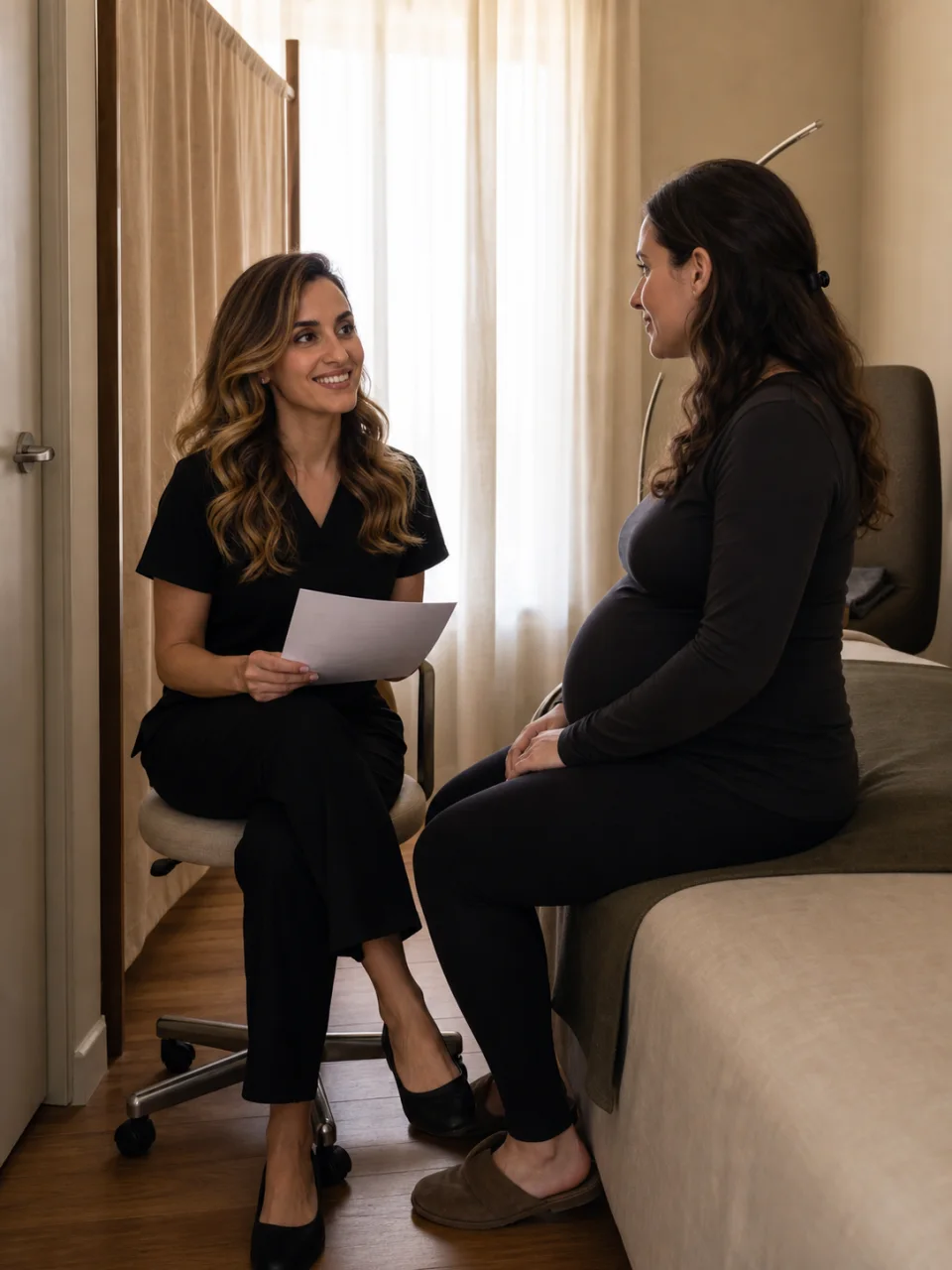
Pregnancy does not automatically rule out waxing or sugaring. The useful question is which service fits your skin, your experience, and this appointment.
Some clients notice more sensitivity during pregnancy; others notice little change. There is no pregnancy-specific evidence that makes sugaring the universal winner. A familiar method, careful technique, clean practice, and the freedom to reposition or stop tell you more than the label on the service.
What may feel different now
Pregnancy can change skin and hair, and grooming may become less comfortable as your body changes. That does not mean a wax will necessarily hurt more. It means your last appointment is useful history, not a promise about this one.
Notice how your skin is behaving now. If it feels normal and you regularly tolerate professional waxing or sugaring, staying with that familiar method is usually more predictable than switching because another service is marketed as gentler.
Positioning matters too. Ask whether the treatment room offers bolsters, side-lying options, or another setup that does not require you to remain uncomfortable. During the service, speak up about heat, pressure, position, or the need for a pause.
Waxing or sugaring: choose the known method

Both methods remove hair from the root. Research does not show that one is universally safer, gentler, or less painful during pregnancy. Compare the appointment you will actually receive:
- Your history. Favor the professional method your skin has tolerated before. A first session or a return after a long break is less predictable.
- Your skin today. Active irritation matters more than whether the service is called wax or sugar.
- The body area. Ask how the specialist adjusts section size, technique, and positioning for that area.
- Your control. Make sure you can ask for a smaller section, reposition, pause, or stop without pressure.
If both methods are new to you, the salon should be able to explain the product, technique, temperature control, and realistic scope of a first visit. “Sugaring is always better in pregnancy” is not an evidence-based answer.
When it makes sense to postpone
Do not wax over sunburned, broken, or actively irritated skin. Tell the specialist about prescription skincare, retinoids, recent reactions, and any skin treatment that may affect the area; do not stop prescribed treatment on a blog’s advice.
Individual pregnancy restrictions, unusual skin symptoms, or questions about a medicine or product belong with your prenatal clinician or pharmacist. That is a specific reason to check, not a rule that every routine appointment needs medical clearance.
Ask the salon what happens in the room

Tell the salon you are pregnant before booking. Use the booking note, message, or call to ask about policy, room setup, hygiene, and how the appointment can change if you become uncomfortable.
Four answers worth getting
- Clean application. For wax, the applicator should be fresh for every dip. Heated wax is not hot enough to sterilize contamination, so double-dipping is not acceptable.
- Temperature and technique. Ask how temperature is checked and how the specialist adapts section size for sensitive areas.
- Positioning and communication. Confirm that you can reposition and speak up about heat, pressure, pausing, or stopping. For ordinary comfort planning, use the waxing comfort guide.
- Scope of a first visit. If the method or area is new, ask whether a smaller area or shorter session makes sense.
A confident salon can explain its hygiene, positioning, and pause plan before you book.
Do not make a first wax a deadline
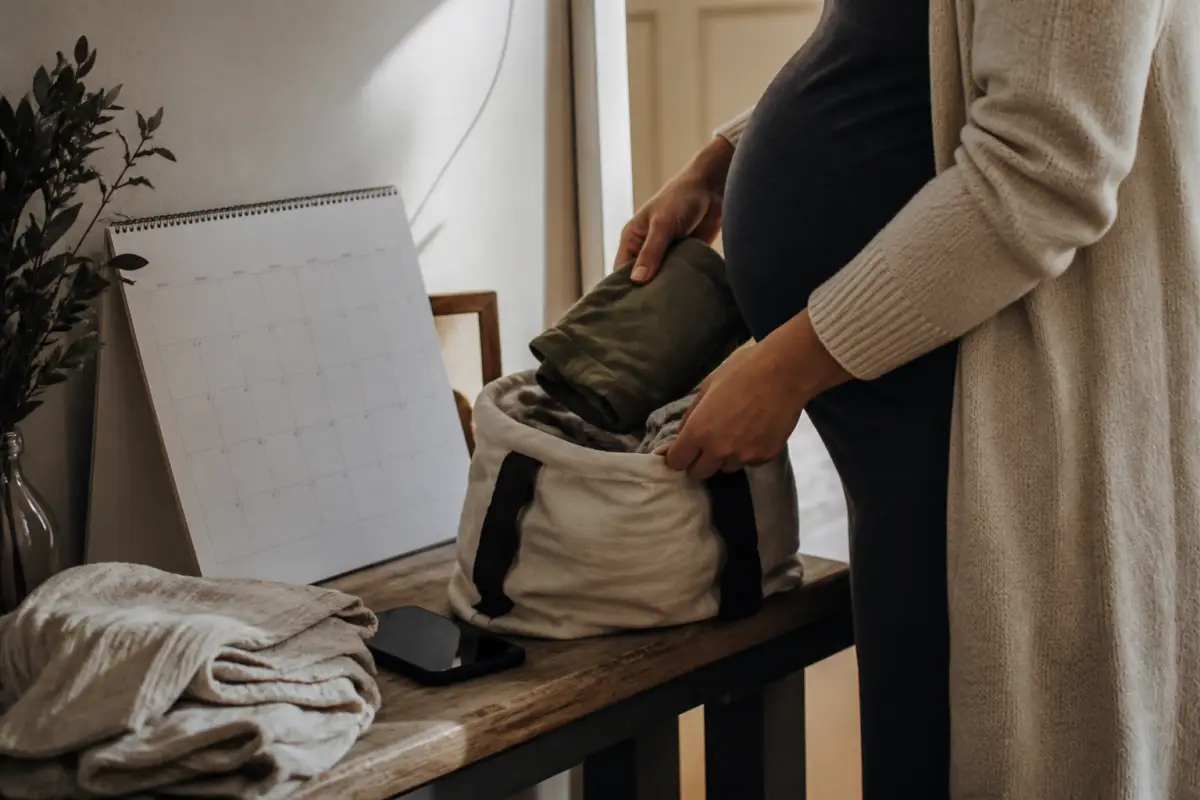
If this would be your first intimate wax or sugaring appointment, or your first after a long gap, do not place it immediately before a trip, photo session, or other fixed event. A date on the calendar does not make an unfamiliar skin response more predictable.
Leave room to pause, stop, or return another day. Ask about the salon’s rescheduling terms before you need them. For hair length, clothing, and day-of preparation, follow the Brazilian wax preparation guide.
After the appointment, follow the salon’s instructions and watch the area rather than chasing a perfect result on a deadline. Persistent redness or swelling beyond two days deserves a dermatologist’s advice.
Four checks before you book
Start with your skin today
Postpone if the area is sunburned, broken, or actively irritated.
Choose the known method
Prefer the professional method your skin has already tolerated.
Check the salon
Ask about hygiene, temperature, positioning, smaller sections, and pauses.
Leave calendar room
Do not compress an unfamiliar response into the last slot before a fixed event.
Clear answers before you book
Is waxing generally acceptable during pregnancy?
Waxing is generally considered a reasonable temporary hair-removal method during an uncomplicated pregnancy. It is not a guarantee for every person or every skin condition, so use the specific checks in this guide.
Is sugaring better than waxing while pregnant?
There is no pregnancy-specific evidence that makes sugaring universally safer or less painful. Prior tolerance, current skin condition, technique, hygiene, and your control during the appointment are more useful decision factors.
Should I tell the salon I am pregnant?
Yes. Tell them before you book so they can explain policy, service availability, positioning options, and how the specialist handles pauses or a shorter visit.
When should I check with my prenatal clinician?
Check when you have individual pregnancy restrictions, unusual skin symptoms, or a question about a medicine or product. Routine waxing does not come with a universal requirement for medical clearance.
Evidence behind this guide
A peer-reviewed review of cosmetic procedures in pregnancy includes waxing among temporary hair-removal methods while noting that pregnancy-specific evidence is limited. The American College of Obstetricians and Gynecologists supports the point that pregnancy can change skin and hair. The American Academy of Dermatology’s waxing guidance supports the skin, heat, retinoid, and aftercare checks. None of these sources proves that sugaring is superior during pregnancy.
Choose the method. Check the appointment.
Start with what your skin already knows, then confirm the salon’s hygiene, positioning, and pause plan. That is more useful than a blanket promise about waxing or sugaring.