The author of the article
Ruzanna, 17 Years of Experience
December 10, 2025
Choosing a shade for permanent makeup is not a guessing game. It is a precise process based on color science and facial geometry. Understanding the basics of color theory will help you make an informed decision and get a result that harmonizes with your features for years, rather than requiring laser removal a month later.
The main mistake clients make is expecting the pigment color in the bottle to look identical on their lips. This is impossible. The pigment is implanted under the epidermis and mixes with your unique blood and melanin undertones. In this guide, we will break down the algorithm for determining your skin type and selecting shades that create an expensive and polished look.
| Section | What You Will Get |
|---|---|
 Undertone Diagnosis Undertone Diagnosis |
A precise method to determine warm, cool, or neutral types |
| Palette Selection |
Specific color solutions for fair, olive, and dark skin |
| Pigment Chemistry |
Understanding how an artist creates custom mixes and the natural look |
| FAQ and Touch-ups |
Answers to questions about fading and color changes after healing |
Step 1 – Defining Your Undertone
This is the foundation of the procedure. Skin tone is the visible surface. Undertone is the hue that shines through from within. Ignoring the undertone is the main reason for unnatural blue or orange lips after healing.
Undertone Self-Check Table
| Test Type | Cool Undertone | Warm Undertone | Neutral Undertone |
|---|---|---|---|
| Vein Check | Veins appear distinct blue or purple | Veins appear greenish which is an optical illusion of blue veins under yellow skin | Difficult to distinguish as there is a mix of blue and green |
| Jewelry Check | Face looks fresher with Silver or Platinum | Skin glows with Yellow Gold | Both metals suit well and the choice depends on style |
| Common Traits | Skin burns easily in the sun | Tans easily and has a golden glow | Tans moderately |
Important:
A professional artist always conducts their own diagnosis before the procedure, but your understanding of these principles will speed up the consultation.
Val
Top PMU Artist, Beauty Fairy
EXPERT INSIGHT
“Many people are afraid of bright colors but forget that skin undertone eats up around 50% of the saturation. My job as a colorist is to select a pigment so that in a month you see your lips but better in the mirror, not painted lips. We create a Makeup-free look that works for you 24/7.”
Best Lip Blush Colors for Your Skin Tone
After defining the undertone, we filter the palette. The goal is harmony, not a conflict between color and skin.
Recommended Palette by Skin Type
| Skin Tone | Best Pigment Shades | Expert Nuance & Warnings |
|---|---|---|
| Fair Skin | Cool. Gentle dusty rose and berry. Warm. Peach, Coral, and Soft Nude. | Pigment must be delicate. Avoid dark liners to prevent a harsh outline effect. |
| Medium or Olive | Warm. Rich peach-pink, terracotta, brick, and deep berry. | Avoid. Cool lilac shades. They can give olive skin an earthy and sickly look. |
| Dark or Deep | Deep. Plum, wine, and warm red-brown. | Often requires neutralization of natural melanin first to achieve a pure color. |

Ruzanna
17 years of experience
Tip:
Always aim for a shade that is just 2–3 tones brighter or warmer than your natural mucosa color. This is the gold standard for a natural result.
Color Wheel and Pigment Palette
To visualize this, artists use a professional Itten color wheel. It helps predict color behavior.
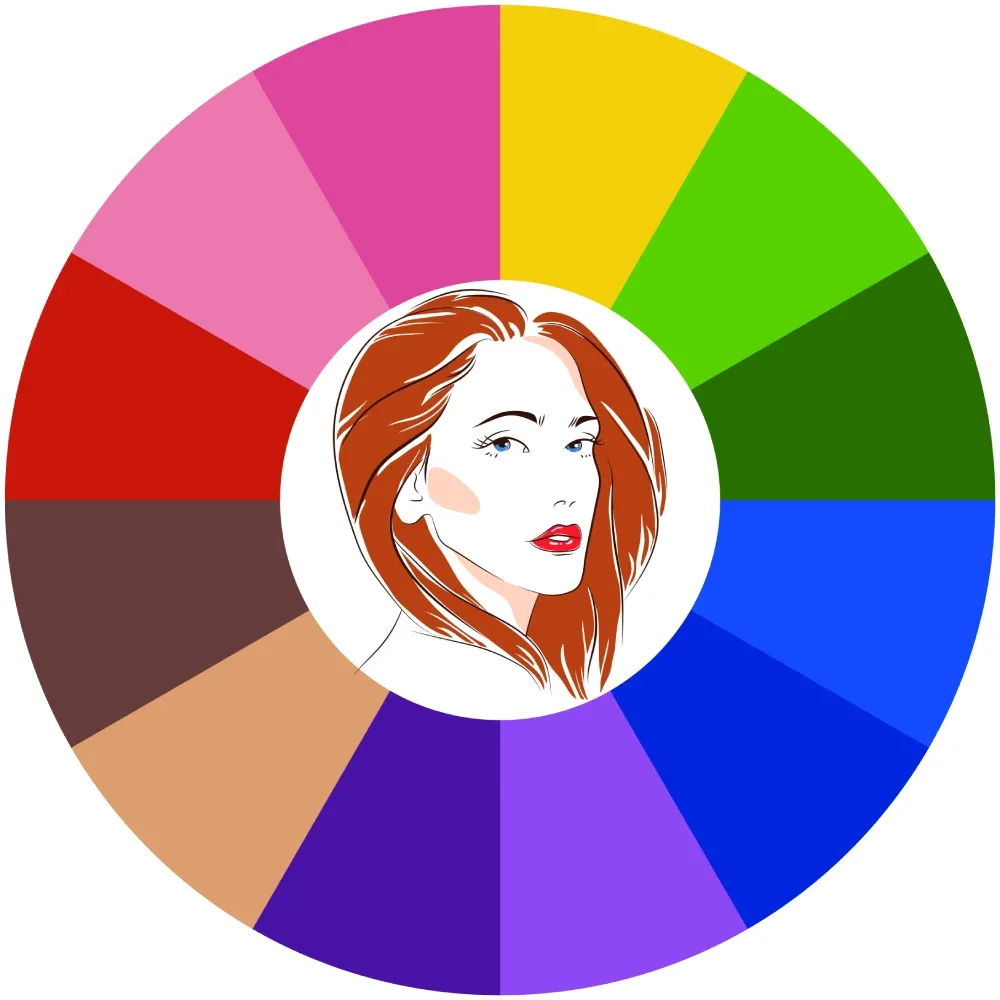
Neutralization Principle
To fix an unwanted purple undertone, we use a corrector with a yellow or orange base.
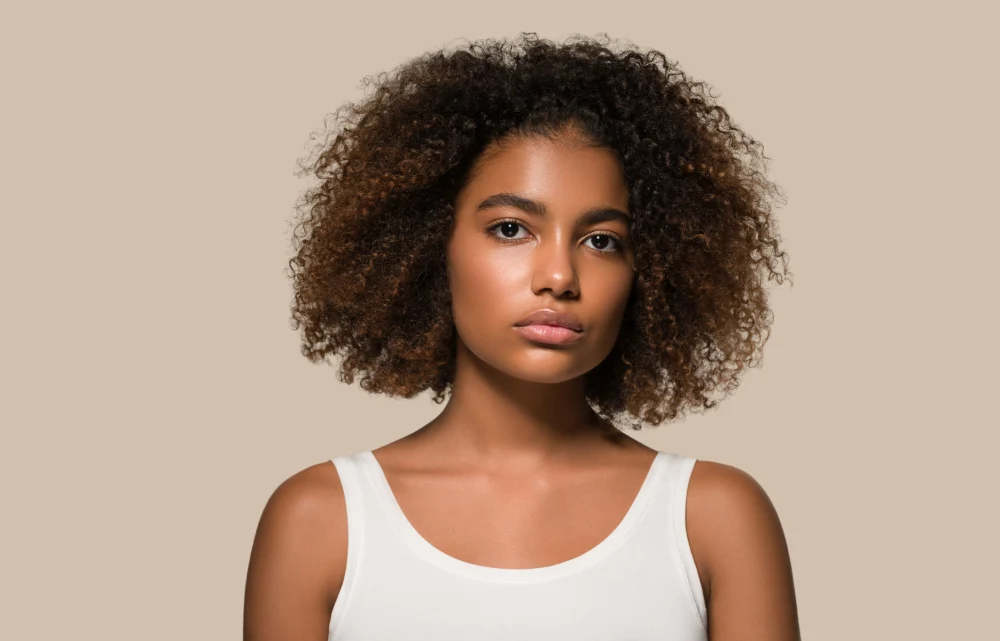
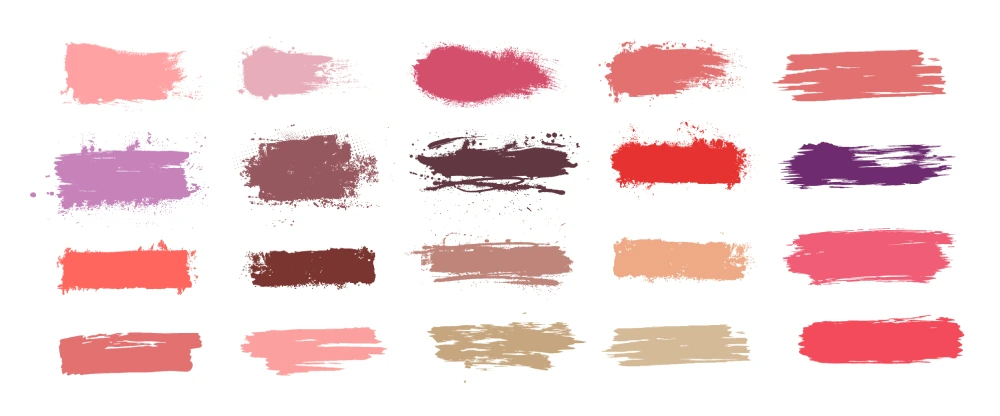
Custom Mixing
Pros rarely work with pure color from a single bottle. We create a unique cocktail where a drop of warm pigment warms up a cold base, while a drop of olive makes bright pink more noble.
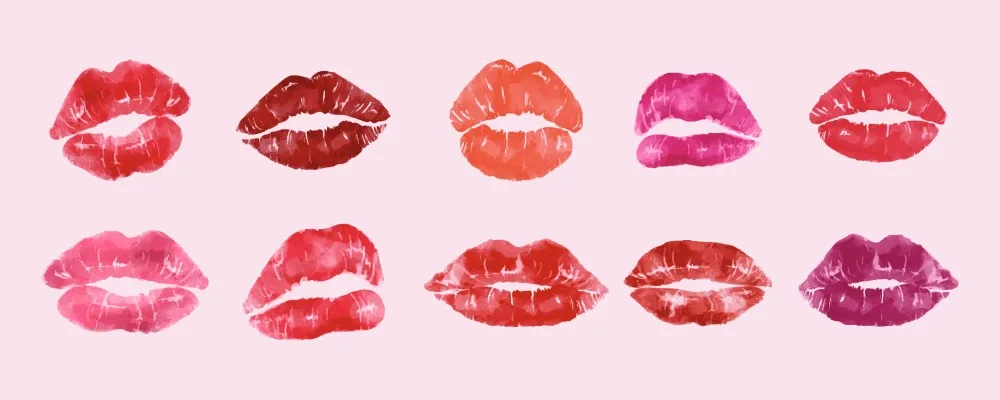
Influence of Natural Lip Color
Permanent makeup pigment is translucent like an Instagram filter. If you have naturally cool lips, even the warmest pigment will become cooler after healing. We always factor in this coefficient when choosing the formula.
FAQ on Color Theory
What’s Healing Timeline & Color Changes?
| Phase | Timelines | Visual Effect | What to Expect |
|---|---|---|---|
| Fresh | Day 1–3 | Bright and Intense | Color looks 40–60% darker than the final result. |
| Ghosting | Week 2–3 | Pale or Invisible | New skin covers the pigment. Color seems to disappear. |
| Bloom | Week 4–6 | Soft and Natural | Pigment resurfaces and stabilizes. True color is visible. |
Can I bring my favorite lipstick?
Yes, this is excellent practice. It gives the artist a precise reference for the temperature and saturation of the desired result. We will not copy the color exactly as the texture of lipstick and skin is different, but we will create the closest possible analog.
What to do if the shade does not suit me?
Do not panic and wait for full healing which takes at least 30 days. Any adjustments to warmth or saturation are made at the second stage known as the touch-up procedure. This is standard protocol.
The Cost of a Mistake in Color Choice
Permanent makeup is a long-term investment in your appearance. Compare the approaches below.
| Approach | Result & Consequence |
|---|---|
| Wrong Choice | Risk of blue or orange lips. Requires laser removal which is expensive and painful or heavy cover-up. |
| Smart Approach | Perfectly defined lips. Saves time in mornings. Confidence for 2 years. |
| Safety | Certified pigments that fade lighter over time rather than shifting into strange colors. |

Don’t read tea leaves
Color theory is a complex science, and you do not need to understand it thoroughly. That is our job.
Free Consultation